Chengdu Travel Guide: Pandas, Sichuan Culture, Tibetan Markets and the Gateway to Tibet
Chengdu is one of China’s most enjoyable cities for travelers: relaxed, flavorful, green, and deeply connected to both Sichuan culture and the Tibetan world. It is famous for giant pandas, spicy food, teahouses, temples, old walking streets, and a slower rhythm of life that feels very different from Beijing, Shanghai, or Guangzhou.
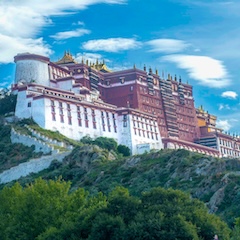
For SnowLion Tours travelers, Chengdu is also much more than a city stop. It is one of the best gateways to Lhasa, with frequent direct flights to Tibet, and it is the natural starting or ending point for journeys into Kham Tibet, including Kangding, Tagong, Ganzi, Dege, Litang, and the eastern Tibetan regions of Sichuan.
Why Visit Chengdu?
Chengdu works beautifully as a first stop in western China. The altitude is low, the food is excellent, hotels are comfortable, and the city has enough cultural depth to fill several days without feeling rushed. It is also a good transition point before traveling to higher Tibetan areas.
The city combines several travel experiences in one place: Chinese Buddhist temples, Three Kingdoms history, Tibetan neighborhoods, panda conservation, Sichuan opera, teahouse culture, UNESCO World Heritage day trips, and easy onward routes to Tibet and western Sichuan.
Best Things to See in Chengdu City
Chengdu Research Base of Giant Panda Breeding
The Panda Base is Chengdu’s most famous attraction and one of the best places in China to see giant pandas in a well-managed conservation setting. The official base is located at Panda Avenue in Chenghua District and includes panda enclosures, red panda areas, walking paths, museums, and visitor facilities.
Go in the morning if possible. Pandas are usually more active earlier in the day, especially before the heat builds. In summer, arrive early and expect crowds. Tickets should be booked through official channels or reliable platforms.
Wenshu Monastery
Wenshu Monastery, also called Wenshu Yuan, is one of Chengdu’s most peaceful city temples. Dedicated to Manjushri, the bodhisattva of wisdom, it is an active Buddhist monastery with prayer halls, courtyards, incense, vegetarian food, and a traditional teahouse atmosphere.
This is not only a sightseeing stop. It is a place to slow down and feel Chengdu’s spiritual side. After visiting the temple, walk through the Wenshufang neighborhood for snacks, tea, local crafts, and old-style Chengdu street life.
Wuhou Shrine and Jinli Ancient Street
Wuhou Shrine is Chengdu’s major Three Kingdoms cultural site, connected with Liu Bei, Zhuge Liang, and the Shu Han kingdom. The official museum lists its address at No. 231 Wuhouci Street, and it remains one of the city’s most important historical attractions.
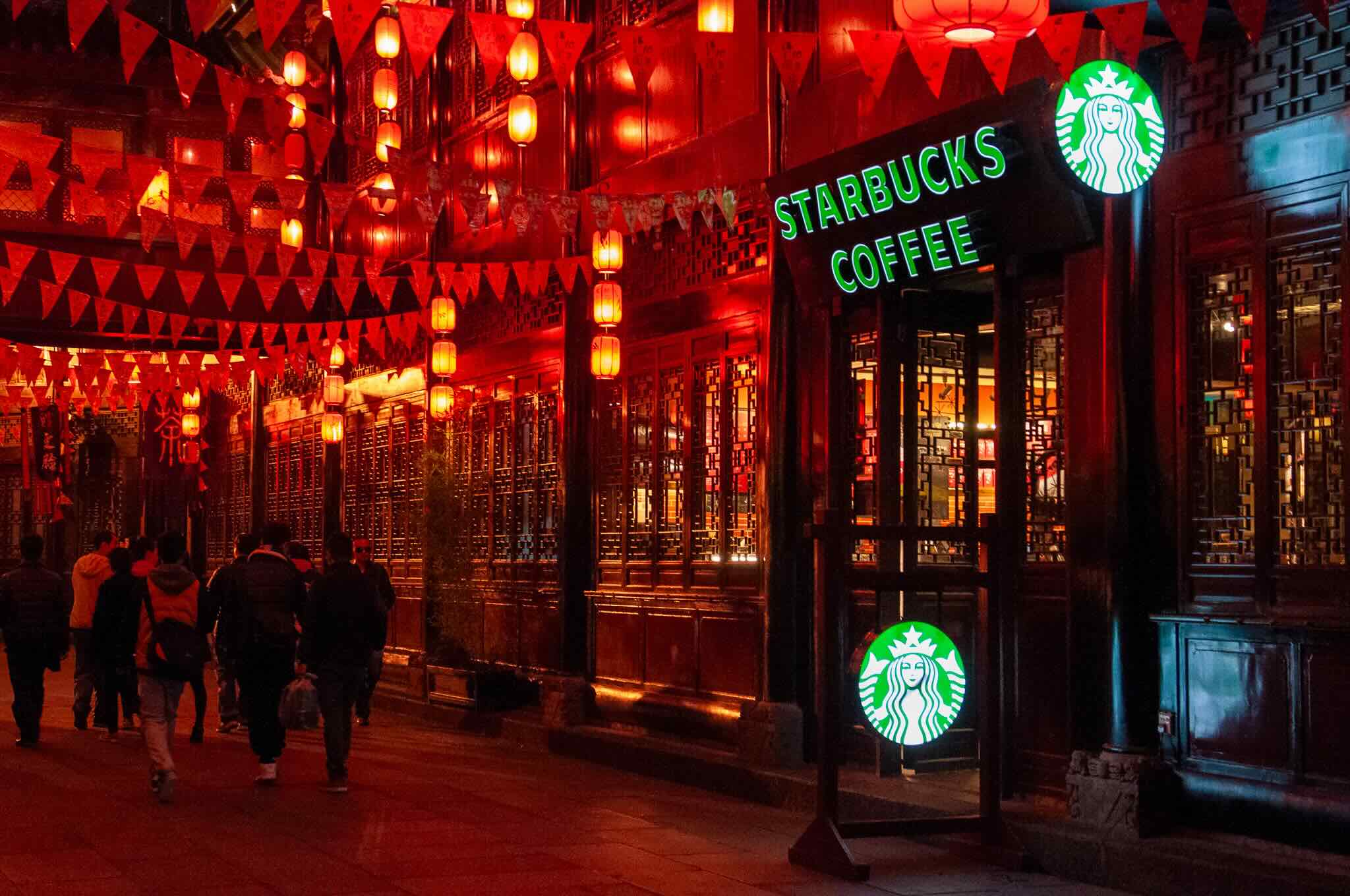
Next to Wuhou Shrine is Jinli Ancient Street, a lively pedestrian area with Sichuan snacks, lanterns, small shops, and traditional-style architecture. Jinli is touristy, but still enjoyable in the late afternoon or evening when the lights come on.
Wuhouci Tibetan Market
Near Wuhou Shrine is Chengdu’s Tibetan quarter, especially around Wuhouci Heng Street. This area has Tibetan restaurants, teahouses, shops selling ritual items, thangkas, incense, prayer flags, traditional clothing, jewelry, books, and everyday goods used by Tibetans living in or passing through Chengdu.
For travelers interested in Tibet, this is one of Chengdu’s most meaningful neighborhoods. You can feel Chengdu’s long role as a meeting point between the Sichuan basin and the Tibetan plateau.
Kuanzhai Alley and People’s Park
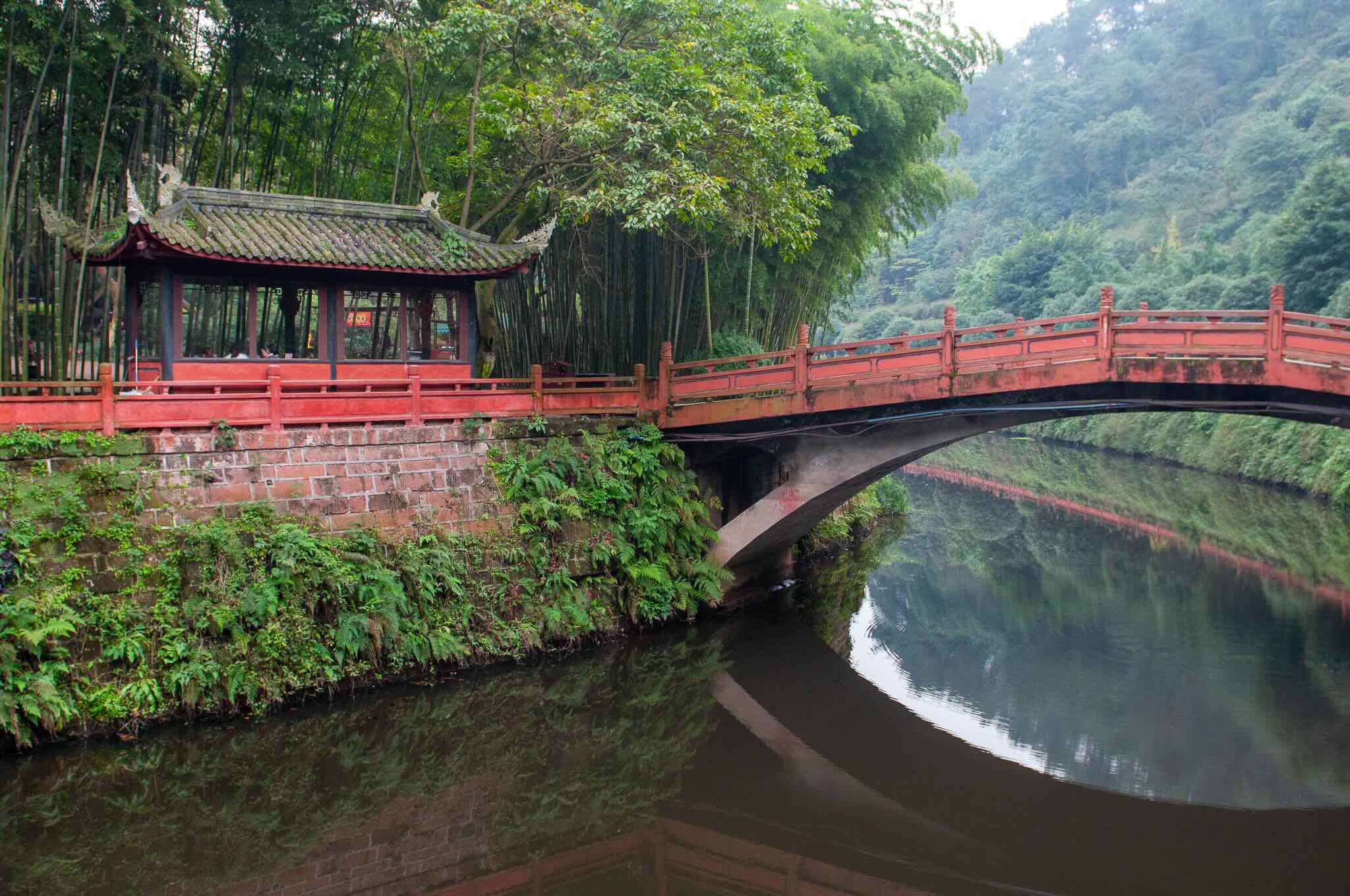
Kuanzhai Alley, or Wide and Narrow Alley, is a restored historic street area with Qing-style courtyards, teahouses, snack shops, restaurants, and small boutiques. It is best for a short walk rather than a full day.
Nearby People’s Park is even more local. Sit in a teahouse, watch mahjong players, see Chengdu residents dancing or singing, and understand why the city is known for leisure. For many visitors, People’s Park gives a better feeling of daily Chengdu life than any museum.
Chunxi Road and Taikoo Li
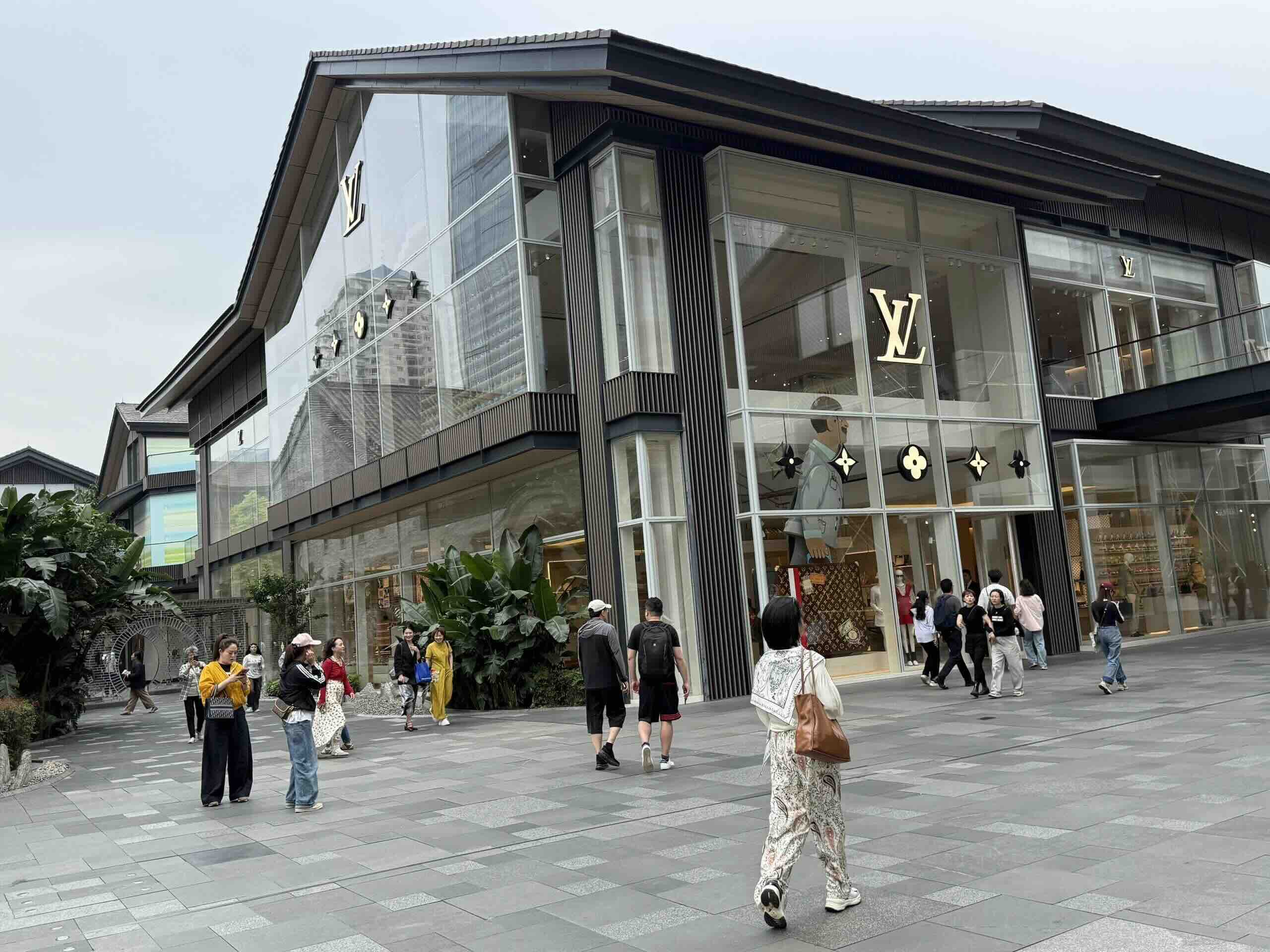
For modern Chengdu, visit Chunxi Road and Taikoo Li. This is the city’s shopping and dining center, with fashion, cafés, restaurants, and nightlife. It is also a good place to see how traditional Chengdu and modern Sichuan live side by side.
Best Day Trips and Side Trips from Chengdu
Leshan Giant Buddha
Leshan is one of the most important cultural day trips from Chengdu. The Giant Buddha was carved into a cliff in the 8th century and overlooks the meeting point of three rivers. UNESCO describes it as 71 meters high and one of the world’s most remarkable Buddhist sculptures.
Leshan can be visited as a long day trip from Chengdu, or combined with Mount Emei for a deeper Buddhist and scenic journey.
Mount Emei
Mount Emei, or Emei Shan, is one of China’s great Buddhist mountains. UNESCO notes that Buddhism became established here very early in Chinese history, and the mountain has more than 30 temples along with rich forests and mountain scenery.
A proper visit usually needs one or two days. Travelers can go up to the Golden Summit, visit temples such as Baoguo and Wannian, and experience one of Sichuan’s most sacred landscapes.
Dujiangyan and Mount Qingcheng
Dujiangyan is an ancient irrigation system that still helps control the waters of the Minjiang River and irrigate the Chengdu plain. Mount Qingcheng is closely associated with the birth of Taoism. Together they form a UNESCO World Heritage Site and make an excellent cultural day trip from Chengdu.
Jiuzhaigou
Jiuzhaigou is farther away, but it is one of Sichuan’s most beautiful natural destinations. UNESCO describes it as a valley of forests, waterfalls, clear mineral lakes, and high mountain scenery in northern Sichuan. The region also has Tibetan and Qiang cultural connections.
Jiuzhaigou is best visited as a multi-day trip, often combined with Tibetan areas of northern Sichuan or Amdo routes.
Chengdu as a Gateway to Tibet
Chengdu is one of the best cities for flying to Lhasa. Current flight schedule data shows frequent nonstop Chengdu Tianfu to Lhasa flights, often several per day, with a flight time of about 2 hours 35 minutes. Schedules change by season, but Chengdu remains one of the most reliable mainland China gateways for Lhasa.
Foreign travelers need a Tibet Travel Permit before boarding a flight or train to Lhasa. The permit must be arranged through a registered travel agency as part of an organized Tibet itinerary. Chengdu is therefore a practical place to rest, prepare, and connect onward to Tibet.
Gateway to Kham Tibetan Areas
Chengdu is also the natural gateway to Kham, the eastern Tibetan region known in Chinese administration as parts of western Sichuan and surrounding areas. From Chengdu, travelers can travel overland toward Kangding/Dartsedo, Tagong/Lhagong, Danba, Ganzi, Litang, Dege, Yarchen Gar, and other Tibetan cultural areas.
These routes offer monasteries, high grasslands, snow mountains, Tibetan villages, printing houses, nomad culture, and some of the most dramatic landscapes between China and Tibet.
Suggested Chengdu Itinerary
For one day, visit the Panda Base in the morning, Wenshu Monastery around midday, and People’s Park or Kuanzhai Alley in the afternoon.
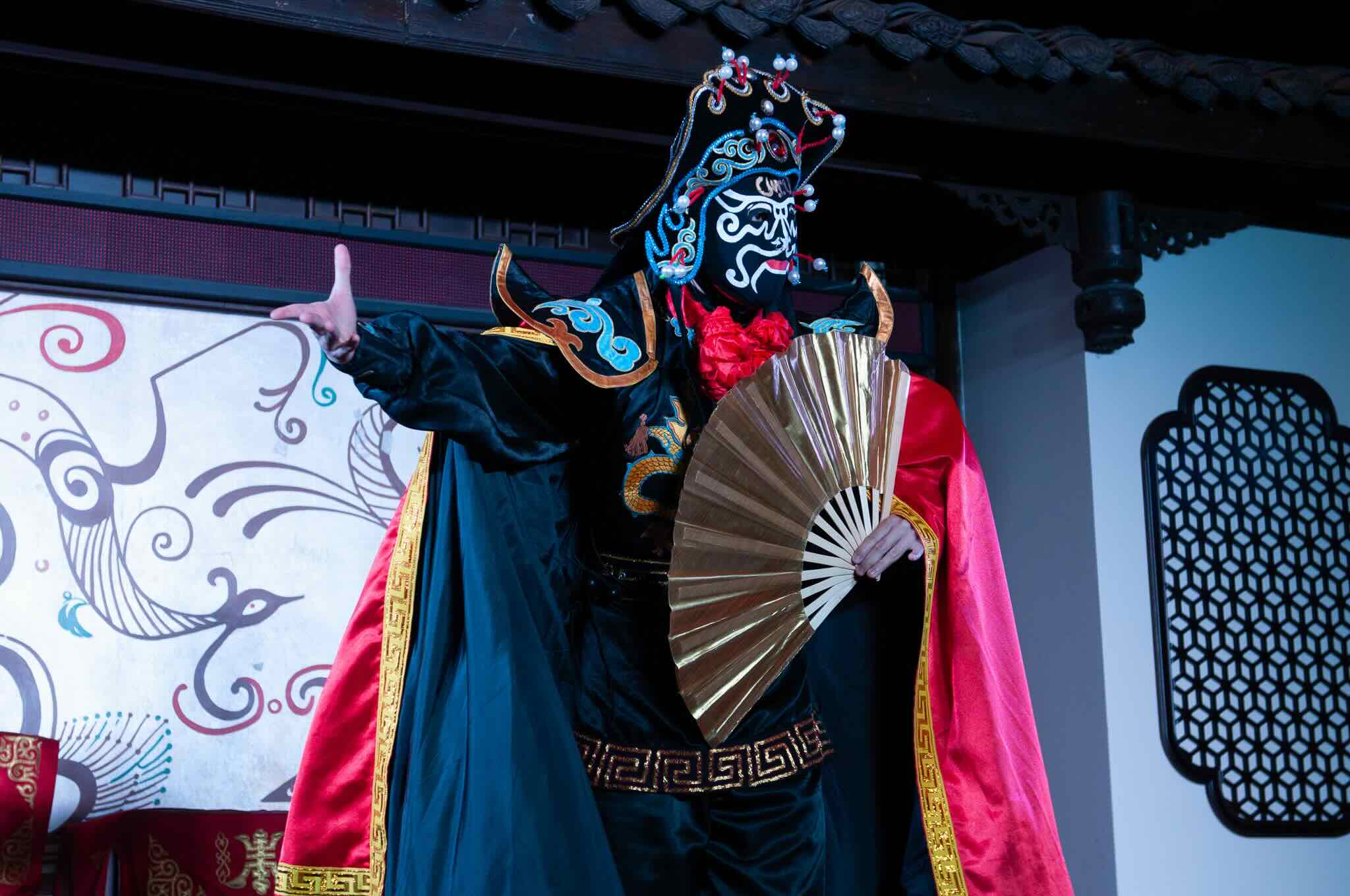
For two days, add Wuhou Shrine, Jinli, Wuhouci Tibetan Market, and a Sichuan opera face-changing show.
For three or four days, add Leshan, Mount Emei, or Dujiangyan and Mount Qingcheng.
For a longer journey, continue from Chengdu to Kham Tibet, Jiuzhaigou, or fly onward to Lhasa.
SnowLion Tours Options Connected with Chengdu
Travelers can include Chengdu in several SnowLion Tours itineraries:
- Beijing – Chengdu – Lhasa Tour
- The Old Trade Route: Xining – Labrang – Jiuzhaigou – Chengdu
- Khampa Heartland: Xining to Chengdu via Amdo and Kham
- Himalayan Nomad Route
- Amdo & Kham Tibet Group Tour
Chengdu Culture: Sichuan Opera, Teahouses and Slow Living
Chengdu is not only a sightseeing city. It is a city to sit, eat, listen, and enjoy slowly. One of the best cultural experiences is an evening Sichuan opera show, especially the famous face-changing performance. Many travelers enjoy watching the show in a traditional Sichuan-style restaurant or theatre, where dinner, tea, music, costumes, comedy, and opera scenes come together in one relaxed evening.
Another classic Chengdu experience is spending time in an open garden teahouse or courtyard restaurant. Order a cup of jasmine tea, green tea, or local Sichuan tea, sit under the trees, and listen to traditional Chinese music while local people chat, play cards, or simply enjoy the afternoon. This leisurely teahouse culture is one of the most beautiful parts of Chengdu life. It shows why Chengdu is famous for comfort, hospitality, and taking time to enjoy the day.
Practical Travel Tips
The best seasons for Chengdu are spring and autumn, especially March to May and September to November. Summers can be hot and humid, but this is still a good time for pandas and mountain trips. Winter is cooler and often grey, but crowds are lighter.
Chengdu is famous for hotpot, mapo tofu, dan dan noodles, dumplings, and teahouse snacks. Food can be spicy, so ask for mild seasoning if needed.
For Tibet-bound travelers, Chengdu is a good place to rest before altitude. Do not rush directly from sea level to Lhasa and then immediately continue to higher places. Spend your first day in Lhasa quietly and follow your guide’s acclimatization advice.


.jpg "amdo monlam festival tour")