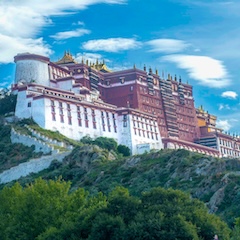
Tibet Autonomous Region
Tibet, also knowns as many other romantic and mysterious names including Shangri-la, the land of snows, the mysterious Buddhist Kingdom, The Lost land is locked away in it’s mountain fastness of the himalaya, has exercised a unique hold on the imagination of the west. For adventurers and travelers, it is the land of perfection which offers the best opportunity to reach up on high mountains, vast grassland and deep spiritual mind.
Lhasa, the Tibetan capital, is located in U-Tsang. This central region of Tibet, which averages above 3600m, is home to the Potala Palace, Mt. Everest, holy lakes, medicinal hot springs, and many of the most famous monasteries in all of Tibet. Lhasa is one of the best places to get a glimpse of modern Tibetan life, while just outside the city many farmers and nomads persist in their traditional lifestyles. While most tourists visit Lhasa in the summer, the winter is an opportune time to see the colorful Tibetan capital. During the winter, pilgrims from all over Tibet flock to Lhasa to visit holy sites and enjoy the (relatively) warmer weather.
Planning a Central Tibet Journey
Central Tibet is the classic starting point for most first-time journeys to Tibet. It brings together Lhasa’s sacred temples and monasteries, the Potala Palace, the Barkhor, Yamdrok Lake, Gyantse, Shigatse, Tashilhunpo Monastery, Samye, Namtso and the road toward the north face of Everest. This region is ideal for travelers who want a balanced route with history, pilgrimage, highland scenery and enough time to acclimatize before continuing farther west.
For private itineraries, see our Central Tibet tours. If you prefer to join a scheduled departure, check our Tibet group tours. Useful travel guides include the Lhasa Travel Guide, Tibet Everest Base Camp Travel Guide and Tibet Travel Permits.
We are recommended by
We are committed to providing authentic, high quality, environmentally sustainable travel services. Join us and experience once in a lifetime holiday.
Recent Trips
.jpg "amdo monlam festival tour")